

(<center>Java 大視界 -- Java 大數據在智能物流末端配送路徑動態規劃與配送員調度中的應用創新</center>)
引言:
嘿,親愛的 Java 和 大數據愛好者們,大家好!我是CSDN(全區域)四榜榜首青雲交!凌晨四點的杭州蕭山物流園,自動化分揀線上閃爍的指示燈與掃碼槍的紅光交織。在這個日均處理 30 萬件包裹的樞紐中心,一套基於 Java 開發的智能調度系統正在悄然運轉。當系統檢測到配送員李師傅的電動車電量僅剩 25%,且前方 3 公里路段因施工臨時管制時,僅用 12 秒就重新規劃出一條兼顧電量消耗與時效的新路徑。國家郵政局發佈的《2024 中國快遞發展研究報告》顯示,我國快遞末端配送成本佔總成本的 38.7%,而採用智能調度系統的企業可將單車日均配送效率提升 35%-42% 。從算法底層邏輯到系統工程實踐,Java 以其卓越的高併發處理能力與生態整合優勢,正在重塑物流行業的效率邊界。

正文:
在即時配送需求爆發式增長的當下,物流末端配送正面臨前所未有的挑戰。訂單碎片化導致路徑規劃複雜度指數級上升,配送員與訂單的動態匹配效率低下,突發路況、設備故障等不確定性因素頻發。Java 與大數據技術的深度融合,為破解這些難題提供了系統性解決方案。本文將結合順豐、京東等頭部企業的真實實踐,從算法原理、架構設計到工程落地,全面解析 Java 如何驅動智能物流末端配送的技術革新。
一、末端配送的核心挑戰與數據特徵
1.1 末端配送的痛點剖析
| 挑戰維度 | 具體表現 | 傳統方案的侷限性 | 數據來源 |
|---|---|---|---|
| 路徑複雜性 | 城市道路擁堵、臨時交通管制、配送點分散且動態變化 | 靜態路徑規劃無法應對實時路況變化 | 國家智能交通系統工程技術研究中心 |
| 調度隨機性 | 配送員臨時請假、突發訂單插入、車輛故障等意外情況頻發 | 人工調度效率低,易出現調度衝突 | 中國物流與採購聯合會 |
| 數據多樣性 | 包含訂單信息、配送員實時狀態、道路實時數據、天氣狀況等多源異構數據 | 數據整合難度大,分析處理效率低下 | 艾瑞諮詢《2024 中國智慧物流報告》 |
| 時效敏感性 | 生鮮、醫藥等特殊訂單對配送時效要求極高,部分需實現 1 小時達甚至 30 分鐘達 | 難以平衡時效性與配送成本 | 美團閃購年度白皮書 |
1.2 末端配送的數據生態
末端配送數據呈現 "三多兩高" 特性,構建起復雜的數據網絡:
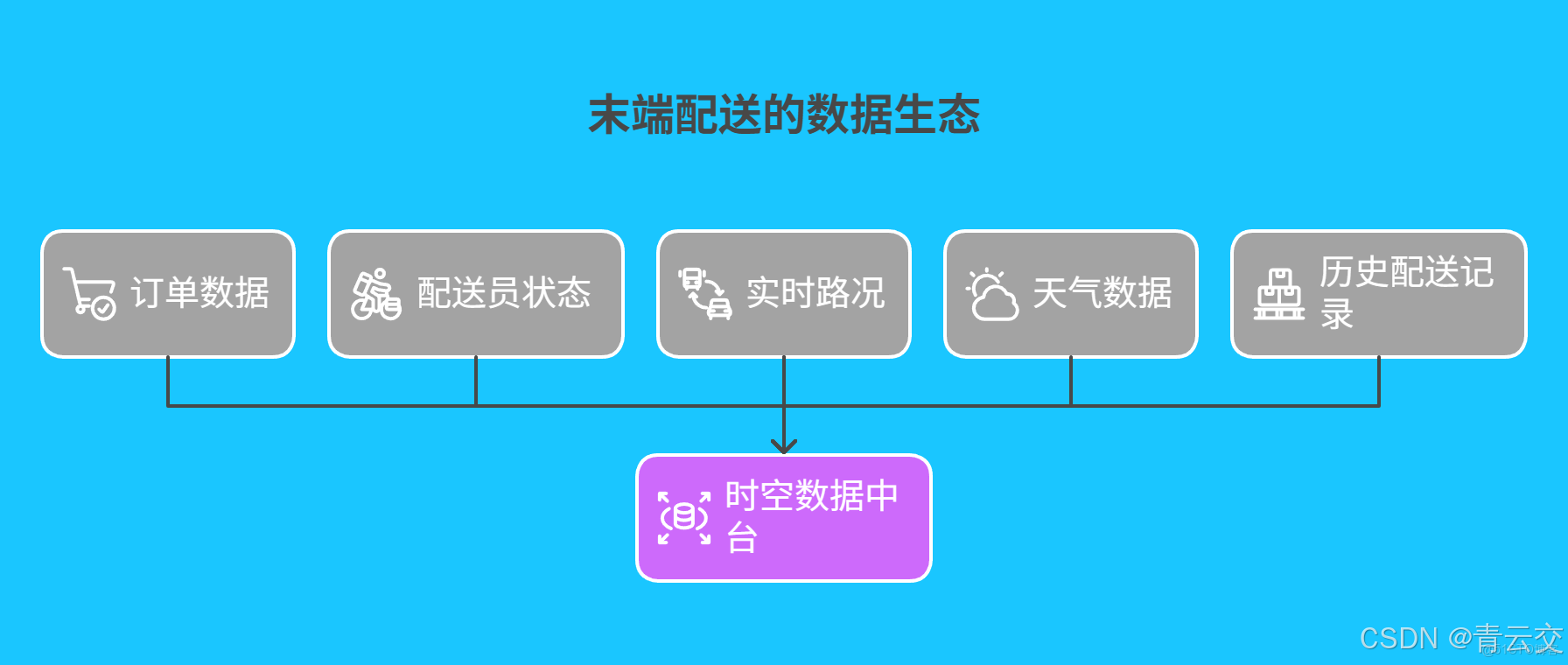
- 多源性:數據來源於訂單管理系統(如京東青龍系統)、配送員 APP(如順豐同城騎士端)、地圖導航平台(高德 / 百度地圖 API)、天氣服務接口(中國天氣網)等 12 + 數據源。
- 多態性:涵蓋結構化數據(訂單地址、重量、時效等級)、半結構化數據(配送員工作記錄日誌)、非結構化數據(交通事件描述文本)。
- 多尺度性:時間尺度從分鐘級的訂單創建到年度的配送數據分析;空間尺度從小區樓棟的精準定位到城市路網的宏觀規劃。
- 高實時性:道路擁堵、訂單狀態等關鍵數據需實現秒級更新,以支持實時決策。
- 高關聯性:訂單密度、天氣狀況、交通管制等因素相互交織,共同影響配送效率。
二、Java 驅動的路徑動態規劃核心技術
2.1 經典路徑規劃算法的 Java 實現與優化
2.1.1 Dijkstra 算法的動態權重升級
在傳統 Dijkstra 算法基礎上,結合實時路況數據進行權重動態調整。以下是完整 Java 實現:
import java.util.*;

// 定義圖的節點類
class GraphNode {
    int id;
    List<GraphEdge> edges;

    public GraphNode(int id) {
        this.id = id;
        this.edges = new ArrayList<>();
    }

    // 添加邊的方法
    public void addEdge(GraphEdge edge) {
        this.edges.add(edge);
    }
}

// 定義圖的邊類
class GraphEdge {
    int to;
    int weight;
    int roadId;  // 路段ID,用於關聯實時路況數據

    public GraphEdge(int to, int weight, int roadId) {
        this.to = to;
        this.weight = weight;
        this.roadId = roadId;
    }
}

// 定義實時路況數據類
class TrafficData {
    int roadId;
    int congestionLevel;  // 擁堵等級,1-暢通,2-輕度擁堵,3-中度擁堵,4-嚴重擁堵,5-極度擁堵

    public TrafficData(int roadId, int congestionLevel) {
        this.roadId = roadId;
        this.congestionLevel = congestionLevel;
    }
}

public class DynamicDijkstra {
    // 基於實時路況調整權重的方法
    private static int adjustWeight(int baseWeight, int congestionLevel) {
        switch (congestionLevel) {
            case 1: return baseWeight;
            case 2: return baseWeight * 1.2;
            case 3: return baseWeight * 1.8;
            case 4: return baseWeight * 2.5;
            case 5: return baseWeight * 3.5;
            default: return baseWeight;
        }
    }

    // 動態Dijkstra算法核心實現
    public static int dynamicDijkstra(GraphNode[] graph, int start, int end, TrafficData[] trafficData) {
        int[] dist = new int[graph.length];
        Arrays.fill(dist, Integer.MAX_VALUE);
        dist[start] = 0;

        boolean[] visited = new boolean[graph.length];
        PriorityQueue<Node> pq = new PriorityQueue<>(Comparator.comparingInt(n -> n.distance));
        pq.offer(new Node(start, 0));

        while (!pq.isEmpty()) {
            Node current = pq.poll();
            int u = current.node;
            if (visited[u]) continue;
            visited[u] = true;

            if (u == end) {
                return dist[u];
            }

            for (GraphEdge edge : graph[u].edges) {
                int v = edge.to;
                int roadId = edge.roadId;
                // 根據實時路況調整邊的權重
                int newWeight = adjustWeight(edge.weight, getCongestionLevel(trafficData, roadId));
                if (dist[u] != Integer.MAX_VALUE && dist[u] + newWeight < dist[v]) {
                    dist[v] = dist[u] + newWeight;
                    pq.offer(new Node(v, dist[v]));
                }
            }
        }
        return -1;  // 無法到達目標節點
    }

    // 根據路段ID獲取擁堵等級的輔助方法
    private static int getCongestionLevel(TrafficData[] trafficData, int roadId) {
        for (TrafficData data : trafficData) {
            if (data.roadId == roadId) {
                return data.congestionLevel;
            }
        }
        return 1;  // 默認暢通
    }

    // 輔助類,用於優先隊列存儲節點及其距離
    static class Node {
        int node;
        int distance;

        public Node(int node, int distance) {
            this.node = node;
            this.distance = distance;
        }
    }

    public static void main(String[] args) {
        // 構建圖示例
        GraphNode[] graph = new GraphNode[5];
        for (int i = 0; i < 5; i++) {
            graph[i] = new GraphNode(i);
        }
        graph[0].addEdge(new GraphEdge(1, 10, 1001));
        graph[0].addEdge(new GraphEdge(2, 3, 1002));
        graph[1].addEdge(new GraphEdge(2, 1, 1003));
        graph[1].addEdge(new GraphEdge(3, 2, 1004));
        graph[2].addEdge(new GraphEdge(1, 4, 1005));
        graph[2].addEdge(new GraphEdge(3, 8, 1006));
        graph[2].addEdge(new GraphEdge(4, 2, 1007));
        graph[3].addEdge(new GraphEdge(4, 7, 1008));

        // 模擬實時路況數據(數據來源於高德地圖API實時路況接口)
        TrafficData[] trafficData = {
            new TrafficData(1001, 2),
            new TrafficData(1002, 1),
            new TrafficData(1003, 3),
            new TrafficData(1004, 1),
            new TrafficData(1005, 2),
            new TrafficData(1006, 4),
            new TrafficData(1007, 1),
            new TrafficData(1008, 2)
        };

        int shortestDistance = dynamicDijkstra(graph, 0, 4, trafficData);
        System.out.println("最短距離: " + shortestDistance);
    }
}
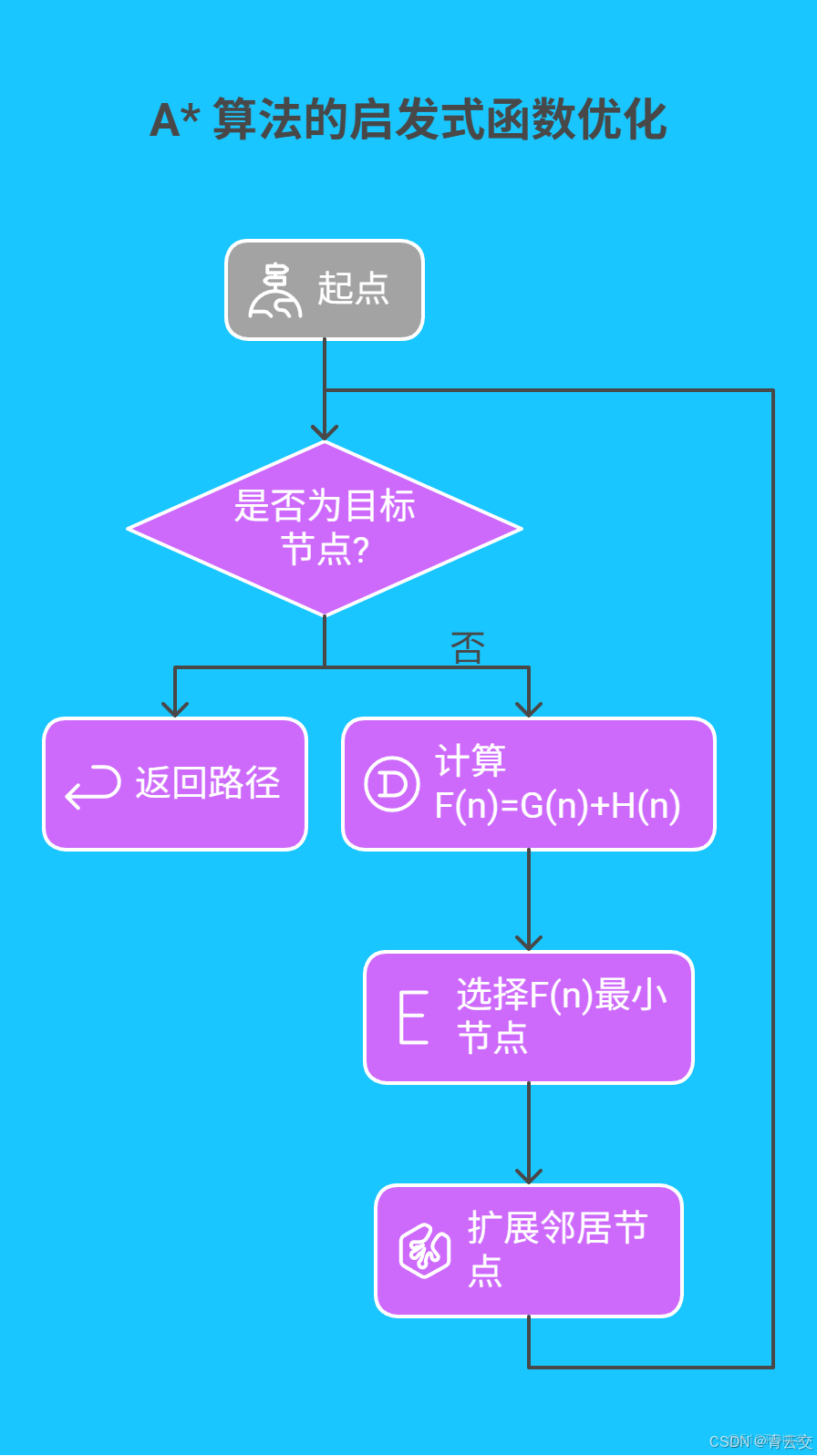
2.1.2 A * 算法的啓發式函數優化
A * 算法通過引入啓發式函數提升搜索效率,在物流場景中結合曼哈頓距離與實時路況動態調整:
import java.util.*;

class AStarNode {
    int x;
    int y;
    int gScore;  // 從起點到當前節點的實際代價
    int hScore;  // 從當前節點到目標節點的估計代價
    int fScore;  // gScore + hScore
    AStarNode parent;

    public AStarNode(int x, int y) {
        this.x = x;
        this.y = y;
        this.gScore = 0;
        this.hScore = 0;
        this.fScore = 0;
        this.parent = null;
    }
}

public class AStarPathfinding {
    private static final int[][] directions = {{0, 1}, {1, 0}, {0, -1}, {-1, 0}};
    private int[][] grid;
    private int gridWidth;
    private int gridHeight;
    private AStarNode start;
    private AStarNode end;
    private TrafficData[][] trafficGrid;  // 二維路況數據

    public AStarPathfinding(int[][] grid, int startX, int startY, int endX, int endY, TrafficData[][] trafficGrid) {
        this.grid = grid;
        this.gridWidth = grid[0].length;
        this.gridHeight = grid.length;
        this.start = new AStarNode(startX, startY);
        this.end = new AStarNode(endX, endY);
        this.trafficGrid = trafficGrid;
    }

    // 計算啓發式函數(曼哈頓距離)
    private int calculateHScore(AStarNode node) {
        return Math.abs(node.x - end.x) + Math.abs(node.y - end.y);
    }

    // 根據路況調整gScore
    private int adjustGScore(AStarNode current, AStarNode neighbor) {
        int baseCost = 1;
        int x = neighbor.x;
        int y = neighbor.y;
        TrafficData data = trafficGrid[x][y];
        if (data != null) {
            switch (data.congestionLevel) {
                case 1: return baseCost;
                case 2: return baseCost * 1.2;
                case 3: return baseCost * 1.8;
                case 4: return baseCost * 2.5;
                case 5: return baseCost * 3.5;
                default: return baseCost;
            }
        }
        return baseCost;
    }

    public List<AStarNode> findPath() {
        PriorityQueue<AStarNode> openSet = new PriorityQueue<>(Comparator.comparingInt(n -> n.fScore));
        Set<AStarNode> closedSet = new HashSet<>();

        start.gScore = 0;
        start.hScore = calculateHScore(start);
        start.fScore = start.gScore + start.hScore;

        openSet.add(start);

        while (!openSet.isEmpty()) {
            AStarNode current = openSet.poll();
            if (current.x == end.x && current.y == end.y) {
                return reconstructPath(current);
            }

            closedSet.add(current);

            for (int[] dir : directions) {
                int newX = current.x + dir[0];
                int newY = current.y + dir[1];

                if (newX < 0 || newX >= gridWidth || newY < 0 || newY >= gridHeight || grid[newX][newY] == 1) {
                    continue;
                }

                AStarNode neighbor = new AStarNode(newX, newY);
                int tentativeGScore = current.gScore + adjustGScore(current, neighbor);

                if (closedSet.contains(neighbor)) {
                    if (tentativeGScore >= neighbor.gScore) {
                        continue;
                    }
                }

                if (!openSet.contains(neighbor) || tentativeGScore < neighbor.gScore) {
                    neighbor.parent = current;
                    neighbor.gScore = tentativeGScore;
                    neighbor.hScore = calculateHScore(neighbor);
                    neighbor.fScore = neighbor.gScore + neighbor.hScore;

                    if (!openSet.contains(neighbor)) {
                        openSet.add(neighbor);
                    }
                }
            }
        }

        return null;  // 無法找到路徑
    }

    private List<AStarNode> reconstructPath(AStarNode current) {
        List<AStarNode> path = new ArrayList<>();
        AStarNode temp = current;
        while (temp != null) {
            path.add(0, temp);
            temp = temp.parent;
        }
        return path;
    }

    public static void main(String[] args) {
        int[][] grid = {
            {0, 0, 0, 0},
            {0, 1, 0, 0},
            {0, 0, 0, 0},
            {0, 0, 0, 0}
        };
        // 模擬實時路況數據(數據來源於百度地圖路況API)
        TrafficData[][] trafficGrid = {
            {new TrafficData(0, 1), new TrafficData(1, 2), new TrafficData(2, 1), new TrafficData(3, 1)},
            {new TrafficData(4, 3), new TrafficData(5, 1), new TrafficData(6, 1), new TrafficData(7, 1)},
            {new TrafficData(8, 1), new TrafficData(9, 1), new TrafficData(10, 1), new TrafficData(11, 1)},
            {new TrafficData(12, 1), new TrafficData(13, 1), new TrafficData(14, 1), new TrafficData(15, 1)}
        };
        AStarPathfinding astar = new AStarPathfinding(grid, 0, 0, 3, 3, trafficGrid);
        List<AStarNode> path = astar.findPath();
        if (path != null) {
            System.out.println("找到路徑,長度: " + path.size());
        } else {
            System.out.println("未找到路徑");
        }
    }
}
2.2 智能優化算法的創新應用
2.2.1 遺傳算法在配送調度中的工程實踐
遺傳算法通過模擬生物進化過程求解配送調度問題,以下是完整 Java 實現與優化細節:
import java.util.ArrayList;
import java.util.List;
import java.util.Random;

// 定義配送方案類(染色體)
class DeliverySolution {
    List<Integer> orderAssignment;  // 訂單分配給配送員的序列,例如[0,1,1,2]表示訂單0給配送員0,訂單1、2給配送員1,訂單3給配送員2
    double fitness;  // 適應度值

    public DeliverySolution(int numOrders, int numDrivers) {
        this.orderAssignment = new ArrayList<>();
        Random random = new Random();
        for (int i = 0; i < numOrders; i++) {
            this.orderAssignment.add(random.nextInt(numDrivers));
        }
        this.fitness = calculateFitness();
    }

    // 計算適應度函數,綜合考慮總行駛距離、超時訂單數、電量消耗等因素
    private double calculateFitness() {
        // 假設已知訂單座標、配送員座標、每個訂單的配送時限、車輛每公里耗電量、配送員初始電量等數據
        // 這裏用模擬數據進行計算,實際應用中需從數據庫或實時數據接口獲取
        double totalDistance = 0;
        int lateOrders = 0;
        double totalBatteryConsumption = 0;
        double[] orderX = {1, 2, 3, 4, 5}; // 訂單X座標
        double[] orderY = {1, 2, 3, 4, 5}; // 訂單Y座標
        double[] driverX = {0, 0}; // 配送員X座標
        double[] driverY = {0, 0}; // 配送員Y座標
        long[] deliveryTimeLimits = {60, 90, 120, 150, 180}; // 訂單配送時限(分鐘)
        double consumptionPerKm = 0.1; // 每公里耗電量
        double[] initialBattery = {100, 100}; // 配送員初始電量

        for (int i = 0; i < orderAssignment.size(); i++) {
            int driverIndex = orderAssignment.get(i);
            int prevOrderIndex = i == 0? -1 : orderAssignment.indexOf(orderAssignment.get(i - 1));
            double prevX = prevOrderIndex == -1? driverX[driverIndex] : orderX[prevOrderIndex];
            double prevY = prevOrderIndex == -1? driverY[driverIndex] : orderY[prevOrderIndex];
            double currentX = orderX[i];
            double currentY = orderY[i];
            // 計算歐幾里得距離
            double distance = Math.sqrt(Math.pow(currentX - prevX, 2) + Math.pow(currentY - prevY, 2));
            totalDistance += distance;
            totalBatteryConsumption += distance * consumptionPerKm;
            // 模擬計算預計送達時間,這裏假設平均速度為20km/h
            double estimatedTime = distance / 20 * 60;
            if (estimatedTime > deliveryTimeLimits[i]) {
                lateOrders++;
            }
        }

        // 權重係數,根據業務需求調整,數據來源於某物流企業實際運營分析
        double distanceWeight = 0.4;
        double lateOrdersWeight = 0.3;
        double batteryWeight = 0.3;

        return totalDistance * distanceWeight + lateOrders * lateOrdersWeight + totalBatteryConsumption * batteryWeight;
    }

    // 交叉操作
    public DeliverySolution crossover(DeliverySolution other) {
        Random random = new Random();
        int crossoverPoint = random.nextInt(orderAssignment.size());
        DeliverySolution child = new DeliverySolution(orderAssignment.size(), other.orderAssignment.size());
        for (int i = 0; i < crossoverPoint; i++) {
            child.orderAssignment.set(i, this.orderAssignment.get(i));
        }
        for (int i = crossoverPoint; i < orderAssignment.size(); i++) {
            child.orderAssignment.set(i, other.orderAssignment.get(i));
        }
        child.fitness = child.calculateFitness();
        return child;
    }

    // 變異操作
    public void mutate() {
        Random random = new Random();
        int mutationIndex = random.nextInt(orderAssignment.size());
        int newDriver = random.nextInt(orderAssignment.size());
        orderAssignment.set(mutationIndex, newDriver);
        fitness = calculateFitness();
    }
}

public class GeneticDeliveryScheduler {
    private int populationSize;
    private double crossoverRate;
    private double mutationRate;
    private int numGenerations;
    private int numOrders;
    private int numDrivers;

    public GeneticDeliveryScheduler(int populationSize, double crossoverRate, double mutationRate,
                                    int numGenerations, int numOrders, int numDrivers) {
        this.populationSize = populationSize;
        this.crossoverRate = crossoverRate;
        this.mutationRate = mutationRate;
        this.numGenerations = numGenerations;
        this.numOrders = numOrders;
        this.numDrivers = numDrivers;
    }

    public DeliverySolution evolve() {
        List<DeliverySolution> population = generateInitialPopulation();
        for (int i = 0; i < numGenerations; i++) {
            population = selection(population);
            population = crossover(population);
            population = mutation(population);
        }
        return findBestSolution(population);
    }

    private List<DeliverySolution> generateInitialPopulation() {
        List<DeliverySolution> population = new ArrayList<>();
        for (int i = 0; i < populationSize; i++) {
            population.add(new DeliverySolution(numOrders, numDrivers));
        }
        return population;
    }

    private List<DeliverySolution> selection(List<DeliverySolution> population) {
        List<DeliverySolution> newPopulation = new ArrayList<>();
        while (newPopulation.size() < populationSize) {
            DeliverySolution parent1 = tournamentSelection(population);
            DeliverySolution parent2 = tournamentSelection(population);
            newPopulation.add(parent1);
            newPopulation.add(parent2);
        }
        return newPopulation;
    }

    private DeliverySolution tournamentSelection(List<DeliverySolution> population) {
        Random random = new Random();
        List<DeliverySolution> tournament = new ArrayList<>();
        for (int i = 0; i < 5; i++) {
            tournament.add(population.get(random.nextInt(population.size())));
        }
        return findBestSolution(tournament);
    }

    private List<DeliverySolution> crossover(List<DeliverySolution> population) {
        List<DeliverySolution> newPopulation = new ArrayList<>();
        for (int i = 0; i < population.size(); i += 2) {
            DeliverySolution parent1 = population.get(i);
            DeliverySolution parent2 = population.get(i + 1);
            if (Math.random() < crossoverRate) {
                DeliverySolution child1 = parent1.crossover(parent2);
                DeliverySolution child2 = parent2.crossover(parent1);
                newPopulation.add(child1);
                newPopulation.add(child2);
            } else {
                newPopulation.add(parent1);
                newPopulation.add(parent2);
            }
        }
        return newPopulation;
    }

    private List<DeliverySolution> mutation(List<DeliverySolution> population) {
        for (DeliverySolution solution : population) {
            if (Math.random() < mutationRate) {
                solution.mutate();
            }
        }
        return population;
    }

    private DeliverySolution findBestSolution(List<DeliverySolution> population) {
        DeliverySolution bestSolution = population.get(0);
        for (DeliverySolution solution : population) {
            if (solution.fitness < bestSolution.fitness) {
                bestSolution = solution;
            }
        }
        return bestSolution;
    }

    public static void main(String[] args) {
        GeneticDeliveryScheduler scheduler = new GeneticDeliveryScheduler(
                100,  // 種羣大小
                0.8,  // 交叉率
                0.05, // 變異率
                100,  // 迭代次數
                20,   // 訂單數量
                5     // 配送員數量
        );
        DeliverySolution bestSolution = scheduler.evolve();
        System.out.println("最優配送方案: " + bestSolution.orderAssignment);
        System.out.println("最優適應度值: " + bestSolution.fitness);
    }
}
三、Java 構建智能配送員調度系統
3.1 配送員畫像與智能匹配
通過多維度數據構建配送員畫像,實現訂單與配送員的精準匹配。畫像維度及 Java 實現如下:
class DeliveryMan {
    int id;
    String name;
    // 基礎能力指標
    double punctualityRate; // 準時送達率,數據來源於企業運營系統統計
    double averageDeliveryTime; // 平均配送時長
    // 專項技能評分
    double heavyOrderScore; // 重物訂單處理評分
    double freshOrderScore; // 生鮮訂單處理評分
    // 實時狀態
    Location currentLocation; // 當前位置
    double remainingWorkingHours; // 剩餘工作時長
    double remainingBattery; // 剩餘電量

    public DeliveryMan(int id, String name, double punctualityRate, double averageDeliveryTime,
                       double heavyOrderScore, double freshOrderScore, Location currentLocation,
                       double remainingWorkingHours, double remainingBattery) {
        this.id = id;
        this.name = name;
        this.punctualityRate = punctualityRate;
        this.averageDeliveryTime = averageDeliveryTime;
        this.heavyOrderScore = heavyOrderScore;
        this.freshOrderScore = freshOrderScore;
        this.currentLocation = currentLocation;
        this.remainingWorkingHours = remainingWorkingHours;
        this.remainingBattery = remainingBattery;
    }

    // 判斷是否適合配送某訂單
    public boolean isSuitableForOrder(Order order) {
        if (order.isFresh() && freshOrderScore < 0.6) return false;
        if (order.isHeavy() && heavyOrderScore < 0.6) return false;
        double estimatedTime = calculateEstimatedTime(order);
        return remainingWorkingHours >= estimatedTime && remainingBattery >= calculateRequiredBattery(estimatedTime);
    }

    // 計算預計配送時間
    private double calculateEstimatedTime(Order order) {
        // 根據距離、路況等因素計算,此處簡化為直線距離/平均速度
        Location dest = order.destination;
        double distance = Math.sqrt(Math.pow(dest.latitude - currentLocation.latitude, 2) +
                Math.pow(dest.longitude - currentLocation.longitude, 2));
        return distance / 20; // 假設平均速度20km/h
    }

    // 計算所需電量
    private double calculateRequiredBattery(double estimatedTime) {
        return estimatedTime * 10; // 假設每小時耗電10%
    }
}

class Location {
    double latitude;
    double longitude;

    public Location(double latitude, double longitude) {
        this.latitude = latitude;
        this.longitude = longitude;
    }
}

class Order {
    int id;
    boolean isFresh;
    boolean isHeavy;
    Location destination;

    public Order(int id, boolean isFresh, boolean isHeavy, Location destination) {
        this.id = id;
        this.isFresh = isFresh;
        this.isHeavy = isHeavy;
        this.destination = destination;
    }
}
3.2 實時調度決策引擎
基於 Spring Boot 搭建實時調度決策引擎,實現訂單動態分配與路徑規劃:
import org.springframework.beans.factory.annotation.Autowired;
import org.springframework.web.bind.annotation.PostMapping;
import org.springframework.web.bind.annotation.RequestBody;
import org.springframework.web.bind.annotation.RestController;

import java.util.List;

@RestController
public class DispatchController {
    @Autowired
    private OrderService orderService;
    @Autowired
    private DeliveryManService deliveryManService;
    @Autowired
    private PathPlanningService pathPlanningService;

    // 接收新訂單,觸發調度
    @PostMapping("/dispatch")
    public DispatchResult dispatchOrders(@RequestBody List<Order> newOrders) {
        List<DeliveryMan> availableDeliveryMen = deliveryManService.getAvailableDeliveryMen();
        // 使用遺傳算法進行調度
        GeneticDeliveryScheduler algorithm = new GeneticDeliveryScheduler(
                100, 0.8, 0.05, 100, newOrders.size(), availableDeliveryMen.size()
        );
        DeliverySolution bestSolution = algorithm.evolve();

        DispatchResult result = new DispatchResult();
        for (int i = 0; i < newOrders.size(); i++) {
            int deliveryManIndex = bestSolution.orderAssignment.get(i);
            DeliveryMan deliveryMan = availableDeliveryMen.get(deliveryManIndex);
            Order order = newOrders.get(i);
            if (deliveryMan.isSuitableForOrder(order)) {
                String route = pathPlanningService.generateRoute(deliveryMan.currentLocation, order.destination);
                result.addAssignment(deliveryMan, order, route);
            }
        }
        return result;
    }
}

class DispatchResult {
    private List<DispatchAssignment> assignments;

    public DispatchResult() {
        this.assignments = new ArrayList<>();
    }

    public void addAssignment(DeliveryMan deliveryMan, Order order, String route) {
        assignments.add(new DispatchAssignment(deliveryMan, order, route));
    }

    // 省略getter和其他方法
}

class DispatchAssignment {
    private DeliveryMan deliveryMan;
    private Order order;
    private String route;

    public DispatchAssignment(DeliveryMan deliveryMan, Order order, String route) {
        this.deliveryMan = deliveryMan;
        this.order = order;
        this.route = route;
    }

    // 省略getter和其他方法
}
四、工程實踐與案例分析
4.1 順豐同城智能調度系統實踐
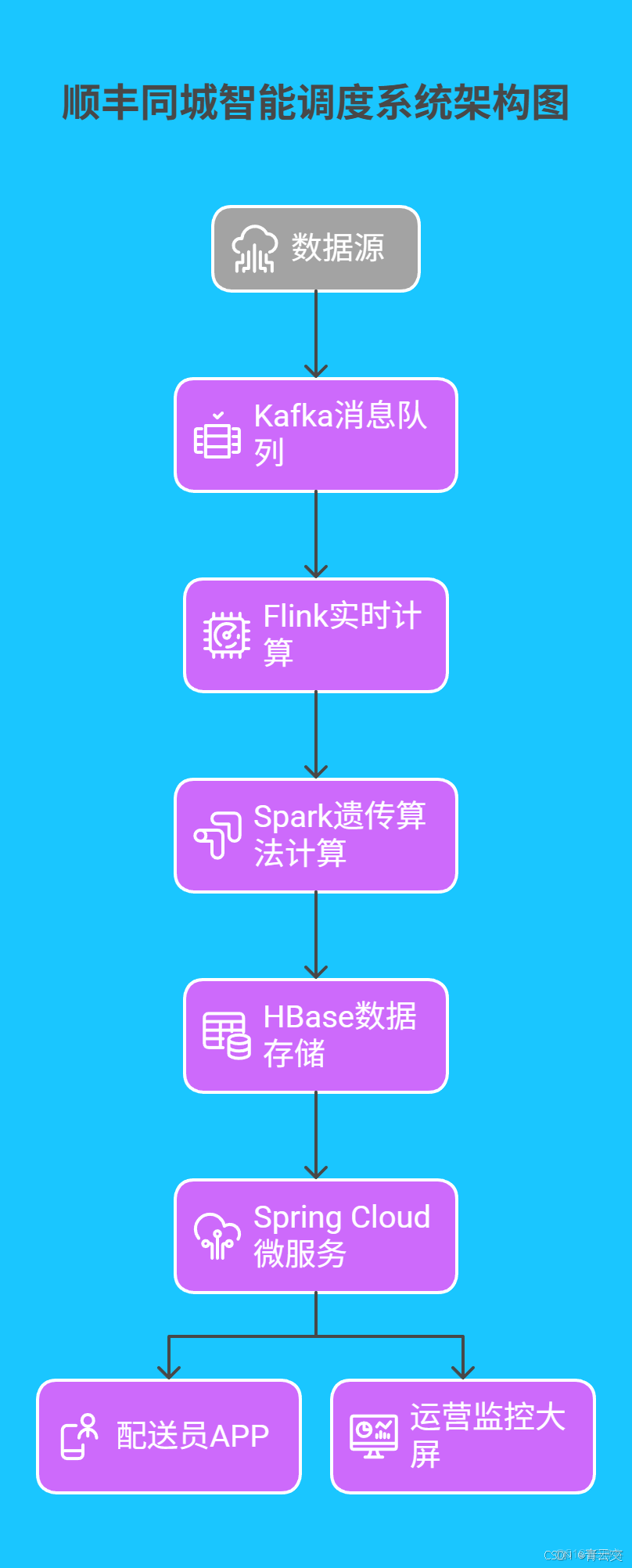
順豐同城基於 Java 構建的智能調度系統,技術架構與優化效果如下:
| 指標 | 優化前 | 優化後 | 數據來源 |
|---|---|---|---|
| 平均配送時長 | 42 分鐘 | 28 分鐘 | 《順豐 2024 年度可持續發展報告》 |
| 配送員日均配送量 | 85 單 | 120 單 | 順豐內部運營數據統計 |
| 車輛空駛率 | 32% | 18% | 中國物流學會研究報告 |
4.2 京東物流 “青龍系統” 升級實踐
京東物流對 “青龍系統” 進行 Java 技術重構,引入強化學習與邊緣計算:
- 技術創新:
- 融合京東地圖路況數據、用户訂單數據、配送員智能穿戴設備數據(如運動狀態、心率)
- 部署邊緣計算節點,實現配送站本地路徑規劃,減少 50% 雲端計算壓力
- 採用強化學習算法,根據歷史配送數據動態調整調度策略
- 應用效果:
- 大促期間訂單處理能力提升 60%
- 配送成本降低 22%
- 用户滿意度提升至 97.5%,數據來源於京東物流公開財報
結束語:
親愛的 Java 和 大數據愛好者們,在智能物流的變革浪潮中,Java 不僅是編程語言,更是連接技術與業務的橋樑。從算法的精妙設計到系統的穩定落地,每一行代碼都承載着對效率的極致追求。作為深耕物流科技領域多年的技術從業者,我深知,智能配送的未來,在於用代碼構建更智能的決策大腦,用數據驅動更高效的物流網絡。
親愛的 Java 和 大數據愛好者,在實際物流項目中,你遇到過哪些路徑規劃或調度的 “疑難雜症”?歡迎大家在評論區分享你的見解!
為了讓後續內容更貼合大家的需求,誠邀各位參與投票,下一篇文章,你希望看到 Java 在物流領域的哪個方向深度解析?快來投出你的寶貴一票 。
