1. 引言:一句話生成高質量設計的革命
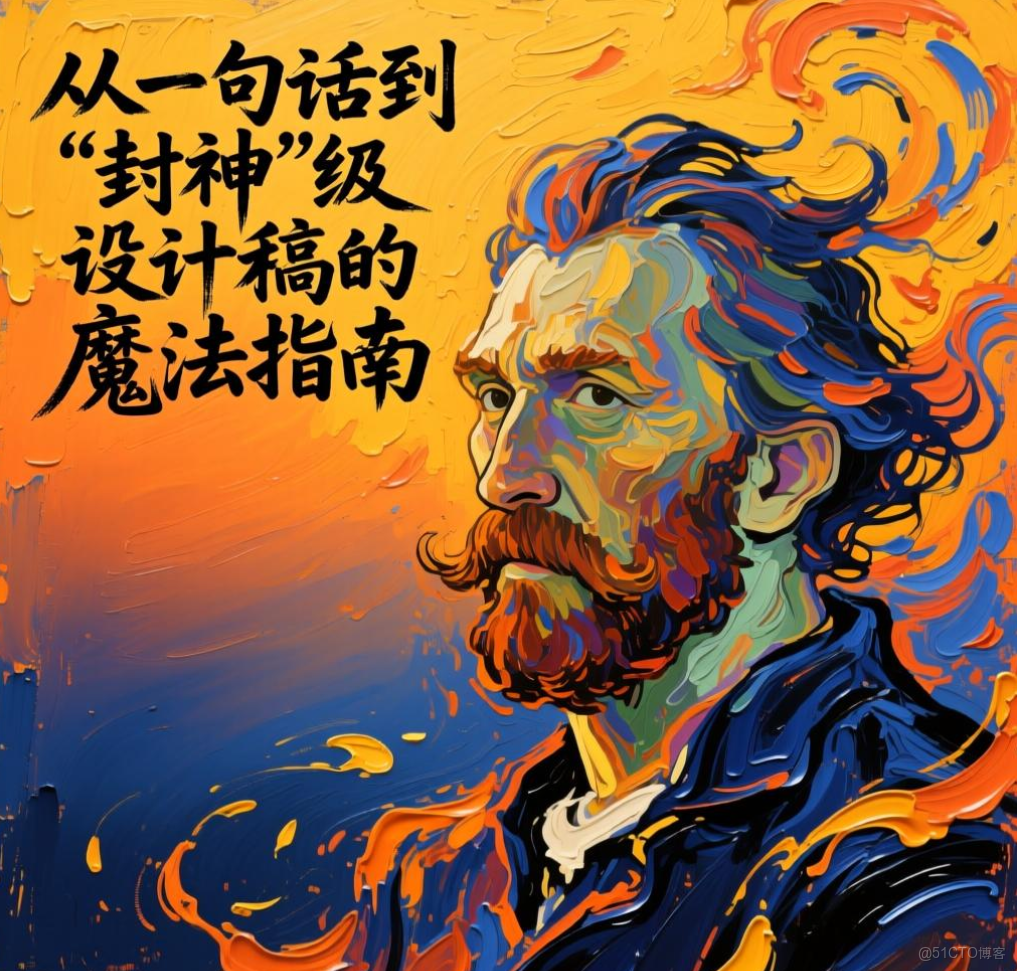
在傳統設計領域,從概念到設計稿的轉化通常需要經歷頭腦風暴、草圖繪製、多輪修改的漫長過程。2023年底,Midjourney V6的發佈徹底改變了這一範式——僅用一句精準的描述,即可在60秒內生成堪比專業設計師數小時工作成果的設計稿。這場變革不僅關乎效率,更在於它打破了創意表達的技術壁壘,讓非設計師也能將腦海中的視覺概念快速具象化。
Midjourney V6的突破性在於其對複雜提示詞的理解深度和視覺細節的生成質量達到了前所未有的水平。據官方數據,V6版本在提示詞遵循精度上比V5提高了70%,在圖像連貫性和細節豐富度上實現了質的飛躍。本文將通過系統的方法論、技術原理解析和實際案例,全面揭示如何運用Midjourney V6這一“設計魔法”,從一句簡單描述開始,生成令人驚歎的“封神”級設計稿。
2. 技術背景:Midjourney V6的革新架構
2.1 核心架構演進
Midjourney V6基於改進的擴散模型架構,融合了多項前沿技術:
# Midjourney V6核心技術組件示意圖(概念代碼)
class MidjourneyV6Architecture:
    """Midjourney V6核心架構概念實現"""

    def __init__(self):
        # 1. 增強的文本編碼器
        self.text_encoder = EnhancedCLIPEncoder(
            context_length=512,  # 上下文長度翻倍
            embedding_dim=2048,
            multimodal_fusion=True  # 多模態融合
        )

        # 2. 多尺度擴散模型
        self.diffusion_model = MultiScaleDiffusionUNet(
            base_channels=256,
            attention_resolutions=[16, 8, 4],  # 注意力機制優化
            num_heads=8,
            dropout=0.1,
            use_checkpoint=True
        )

        # 3. 風格引導模塊
        self.style_guidance = StyleGuidanceModule(
            style_library_size=10000,  # 風格庫容量
            adaptive_weighting=True,   # 自適應權重
            cross_attention_layers=6
        )

        # 4. 細節增強網絡
        self.detail_enhancer = HierarchicalDetailEnhancer(
            num_levels=4,
            residual_dense_blocks=True,
            perceptual_loss_weight=0.8
        )
技術突破點解析:
- 語義理解深度提升:V6的文本編碼器能理解更復雜的語義關係和抽象概念,如"賽博朋克風格但帶有文藝復興時期的裝飾元素"
- 多尺度擴散機制:同時處理全局構圖和局部細節,確保生成圖像在多個尺度上的一致性和豐富性
- 風格解耦與融合:可將不同藝術風格的元素解耦後重新組合,實現真正意義上的風格混合
2.2 與先前版本的對比
|
特性維度 |
Midjourney V5 |
Midjourney V5.2 |
Midjourney V6 |
|
提示詞理解 |
需詳細描述 |
支持簡單組合 |
理解複雜邏輯關係 |
|
圖像分辨率 |
1024×1024 |
1024×1024 |
最高2048×2048 |
|
風格一致性 |
中等 |
良好 |
優秀(跨圖像系列) |
|
文本渲染 |
基本不可用 |
簡單單詞 |
可讀性文本生成 |
|
細節豐富度 |
良好 |
優秀 |
照片級細節 |
2.3 擴散模型原理深度解析
Midjourney V6基於改進的潛在擴散模型(Latent Diffusion Model),其核心數學原理:
import torch
import torch.nn as nn
import numpy as np

class AdvancedLatentDiffusion(nn.Module):
    """Midjourney V6使用的改進潛在擴散模型"""

    def forward_diffusion(self, x0, t):
        """前向擴散過程:逐漸添加噪聲"""
        # 使用改進的噪聲調度
        alpha_t = self.cos_schedule(t)  # 餘弦調度更平滑
        noise = torch.randn_like(x0)

        # V6改進:自適應噪聲水平
        xt = torch.sqrt(alpha_t) * x0 + torch.sqrt(1 - alpha_t) * noise
        return xt, noise

    def reverse_diffusion(self, xt, t, text_embedding, style_guidance):
        """逆向擴散過程:從噪聲生成圖像"""
        # 條件融合:文本+風格指導
        combined_condition = torch.cat([
            text_embedding,
            style_guidance
        ], dim=-1)

        # 多尺度去噪
        noise_pred = self.multi_scale_unet(xt, t, combined_condition)

        # V6創新:細節保留機制
        detail_preservation = self.detail_preservation_module(xt, noise_pred)

        return noise_pred * detail_preservation

    def cos_schedule(self, t):
        """改進的餘弦調度函數"""
        return torch.cos((t + 0.008) / 1.008 * torch.pi / 2) ** 2

    def detail_preservation_module(self, xt, noise_pred):
        """細節保留機制 - V6核心創新之一"""
        # 提取高頻細節
        high_freq = self.high_pass_filter(xt)

        # 自適應細節增強
        detail_weight = self.adaptive_detail_weight(noise_pred)

        return 1 + detail_weight * high_freq
3. 應用場景全解析
3.1 商業設計應用
品牌視覺系統創建
class BrandVisualGenerator:
    """基於Midjourney V6的品牌視覺生成系統"""

    def generate_brand_system(self, brand_concept):
        """生成完整品牌視覺系統"""

        components = {
            "logo": self._generate_logo(brand_concept),
            "color_palette": self._extract_color_palette(),
            "typography": self._generate_typography_system(),
            "imagery_style": self._define_imagery_guidelines(),
            "application_examples": self._create_application_mockups()
        }

        return self._assemble_brand_guide(components)

    def _generate_logo(self, concept):
        """生成品牌logo"""
        prompt = f"""
        Modern minimalist logo design for {concept['brand_name']},
        representing {concept['core_values']},
        style: {concept['style_preference']},
        colors: {concept['primary_color']} and {concept['secondary_color']},
        geometric, scalable, versatile,
        --ar 1:1 --style raw --v 6.0
        """
        return self.midjourney_api.generate(prompt)

    def _create_application_mockups(self):
        """創建應用場景展示"""
        applications = [
            "business card design, elegant, professional",
            "website homepage mockup, modern UI/UX",
            "product packaging, premium unboxing experience",
            "social media banner, engaging and shareable"
        ]

        mockups = []
        for app in applications:
            prompt = f"{self.base_prompt}, {app}, photorealistic mockup, studio lighting"
            mockups.append(self.midjourney_api.generate(prompt))

        return mockups
實際案例:科技公司品牌視覺
# 輸入品牌概念
tech_brand = {
    "brand_name": "NeuraLink AI",
    "core_values": "innovation, trust, intelligence",
    "style_preference": "cyberpunk meets minimalism",
    "primary_color": "neon blue",
    "secondary_color": "dark charcoal"
}

# 生成品牌系統
generator = BrandVisualGenerator()
brand_system = generator.generate_brand_system(tech_brand)

# 輸出結果結構
print(f"""
Brand System Generated:
1. Logo: {len(brand_system['logo'])} variations
2. Color Palette: {brand_system['color_palette']}
3. Typography: {brand_system['typography']} font families
4. Application Examples: {len(brand_system['application_examples'])} mockups
""")
3.2 產品設計應用
工業設計概念生成
class ProductDesignGenerator:
    """產品設計概念生成器"""

    def __init__(self):
        self.design_principles = {
            "ergonomic": "human-centered, comfortable grip, intuitive interaction",
            "sustainable": "eco-friendly materials, modular design, repairable",
            "minimalist": "clean lines, essential functions, reduced visual noise",
            "futuristic": "advanced materials, smart interfaces, innovative form"
        }

    def generate_product_concept(self, product_type, target_users, key_features):
        """生成產品設計概念"""

        # 構建詳細提示詞
        prompt = self._build_product_prompt(
            product_type,
            target_users,
            key_features
        )

        # 多角度生成
        angles = ["front view", "side view", "45 degree angle", "exploded view"]
        concepts = []

        for angle in angles:
            angle_prompt = f"{prompt}, {angle}, professional product photography, studio lighting"
            concept = self.midjourney_api.generate(angle_prompt)
            concepts.append({
                "angle": angle,
                "image": concept,
                "design_notes": self._extract_design_insights(concept)
            })

        return {
            "product_type": product_type,
            "target_users": target_users,
            "key_features": key_features,
            "concepts": concepts,
            "design_spec": self._generate_design_specification(concepts)
        }

    def _build_product_prompt(self, product_type, users, features):
        """構建產品設計提示詞"""
        principles = self._select_design_principles(users)

        prompt = f"""
        Industrial design concept for {product_type},
        target users: {users},
        key features: {features},
        design principles: {principles},
        photorealistic rendering, detailed materials,
        focus on usability and aesthetics,
        award-winning design quality,
        --ar 16:9 --style raw --v 6.0 --chaos 20
        """
        return prompt
3.3 UI/UX設計應用
用户界面生成系統
class UIGeneratorV6:
    """基於Midjourney V6的UI生成系統"""

    def generate_dashboard(self, dashboard_type, data_requirements, user_role):
        """生成數據儀表板設計"""

        # 根據儀表板類型選擇佈局
        layouts = {
            "analytical": "data-focused, charts and metrics prominent, clean grid",
            "operational": "action-oriented, quick access buttons, status indicators",
            "strategic": "high-level KPIs, trend visualizations, executive summary"
        }

        prompt = f"""
        {layouts[dashboard_type]} dashboard UI design for {user_role},
        displaying: {data_requirements},
        modern dark theme with accent colors,
        neumorphic design elements,
        responsive layout,
        accessibility compliant (WCAG 2.1),
        interactive elements clearly indicated,
        visual hierarchy optimized for {dashboard_type} tasks,
        --ar 16:9 --style raw --v 6.0
        """

        return self._generate_ui_variations(prompt, 4)

    def generate_mobile_app(self, app_category, core_functions, target_demographic):
        """生成移動應用界面"""

        # 根據目標人羣調整風格
        style_map = {
            "teenagers": "vibrant, playful, social features prominent",
            "professionals": "efficient, minimalist, productivity-focused",
            "seniors": "large text, high contrast, simplified navigation"
        }

        prompt = f"""
        Mobile app UI/UX design for {app_category} application,
        core functions: {core_functions},
        target users: {target_demographic},
        design style: {style_map.get(target_demographic, "user-friendly")},
        iOS/Android design guidelines compliant,
        complete screen flow with 5 key screens,
        consistent design system,
        micro-interactions indicated,
        --ar 9:16 --style raw --v 6.0
        """

        screens = ["onboarding", "home", "main feature", "profile", "settings"]
        ui_kit = {}

        for screen in screens:
            screen_prompt = f"{prompt}, {screen} screen, showing navigation state"
            ui_kit[screen] = self.midjourney_api.generate(screen_prompt)

        return {
            "app_concept": f"{app_category} for {target_demographic}",
            "ui_kit": ui_kit,
            "design_system": self._extract_design_system(ui_kit)
        }
4. 核心特性深度解析
4.1 高級提示詞工程
結構化提示詞構建器
class AdvancedPromptEngineer:
    """高級提示詞工程系統"""

    def __init__(self):
        # 視覺元素數據庫
        self.visual_elements = {
            "composition": [
                "rule of thirds", "golden ratio", "symmetrical balance",
                "asymmetrical balance", "leading lines", "framing"
            ],
            "lighting": [
                "studio lighting", "natural sunlight", "dramatic chiaroscuro",
                "soft diffused light", "neon glow", "bioluminescent"
            ],
            "materials": [
                "anodized aluminum", "carbon fiber", "liquid metal",
                "matte ceramic", "transparent acrylic", "woven fabric"
            ],
            "styles": [
                "bauhaus minimalism", "cyberpunk dystopian", "art deco luxury",
                "brutalist concrete", "biophilic organic", "retro-futurism"
            ]
        }

        # 質量增強詞庫
        self.quality_boosters = [
            "award-winning design", "editorial quality", "photorealistic",
            "8K resolution", "Unreal Engine 5 rendering", "detailed textures",
            "professional photography", "cinematic lighting", "sharp focus"
        ]

    def build_master_prompt(self, core_idea, specifications=None):
        """構建大師級提示詞"""

        # 解析核心概念
        concept_analysis = self._analyze_concept(core_idea)

        # 選擇視覺元素
        selected_elements = self._select_visual_elements(concept_analysis)

        # 構建基礎提示詞
        base_prompt = f"{core_idea}, "
        base_prompt += f"{selected_elements['composition']} composition, "
        base_prompt += f"lighting: {selected_elements['lighting']}, "
        base_prompt += f"materials: {selected_elements['materials']}, "
        base_prompt += f"style: {selected_elements['style']}"

        # 添加質量增強
        quality_boost = self._select_quality_boosters(concept_analysis)
        base_prompt += f", {quality_boost}"

        # 添加技術參數
        tech_params = self._add_technical_parameters(specifications)

        return f"{base_prompt} {tech_params}"

    def _analyze_concept(self, concept):
        """分析概念的情感、風格、複雜度"""
        # 使用簡單的NLP分析(實際應用可用更復雜模型)
        analysis = {
            "emotional_tone": self._detect_emotion(concept),
            "complexity_level": self._assess_complexity(concept),
            "style_hints": self._extract_style_keywords(concept),
            "subject_type": self._categorize_subject(concept)
        }
        return analysis

    def create_prompt_variations(self, master_prompt, num_variations=4):
        """創建提示詞變體以獲得多樣性"""
        variations = []

        # 基礎變體策略
        strategies = [
            self._vary_composition,
            self._vary_lighting,
            self._vary_style,
            self._vary_perspective
        ]

        for i in range(num_variations):
            strategy = strategies[i % len(strategies)]
            variation = strategy(master_prompt)
            variations.append(variation)

        return variations
4.2 風格融合技術
多風格混合引擎
class StyleFusionEngine:
    """多風格融合引擎"""

    def blend_styles(self, base_style, additional_styles, blend_weights=None):
        """混合多種藝術風格"""

        if blend_weights is None:
            # 自動分配權重
            blend_weights = [0.5] + [0.5/(len(additional_styles))] * len(additional_styles)

        # 構建風格描述
        style_description = f"in the style of {base_style}"

        for i, style in enumerate(additional_styles, 1):
            weight = blend_weights[i]
            style_description += f" blended with {weight*100}% {style}"

        return style_description

    def create_style_gradient(self, subject, style_a, style_b, steps=5):
        """創建風格漸變系列"""

        prompts = []
        for i in range(steps):
            # 計算混合比例
            ratio_a = 1.0 - (i / (steps - 1))
            ratio_b = i / (steps - 1)

            # 構建提示詞
            prompt = f"""
            {subject},
            style fusion: {ratio_a*100:.0f}% {style_a}
            and {ratio_b*100:.0f}% {style_b},
            seamless integration of both styles,
            showing artistic evolution from {style_a} to {style_b},
            --ar 2:3 --style raw --v 6.0
            """
            prompts.append(prompt)

        return prompts

    def extract_style_elements(self, style_name):
        """解構風格為具體元素"""
        style_library = {
            "cyberpunk": {
                "colors": "neon, dark, high contrast",
                "lighting": "artificial, glowing, dramatic",
                "textures": "metal, glass, holographic",
                "elements": "futuristic architecture, technology, rain"
            },
            "art_nouveau": {
                "colors": "organic, muted, flowing",
                "lighting": "soft, natural, diffused",
                "textures": "wood, stained glass, floral patterns",
                "elements": "curving lines, nature motifs, elegance"
            }
            # 可擴展更多風格
        }

        return style_library.get(style_name, {})
5. 實戰工作流程
5.1 完整設計生成流水線
class DesignGenerationPipeline:
    """完整設計生成流水線"""

    def __init__(self):
        self.prompt_engineer = AdvancedPromptEngineer()
        self.style_engine = StyleFusionEngine()

    def generate_design_project(self, brief):
        """從設計簡報生成完整項目"""

        # 階段1:概念發展
        concepts = self._develop_concepts(brief)

        # 階段2:視覺探索
        visual_explorations = self._explore_visuals(concepts)

        # 階段3:細化設計
        detailed_designs = self._refine_designs(visual_explorations)

        # 階段4:應用展示
        applications = self._create_applications(detailed_designs, brief)

        return {
            "project_brief": brief,
            "concepts": concepts,
            "visual_explorations": visual_explorations,
            "detailed_designs": detailed_designs,
            "applications": applications,
            "design_system": self._extract_design_system(detailed_designs)
        }

    def _develop_concepts(self, brief):
        """發展設計概念"""
        concepts = []

        # 基於簡報生成多個方向
        directions = self._generate_directions(brief)

        for direction in directions[:3]:  # 選擇前3個方向
            prompt = self.prompt_engineer.build_master_prompt(
                direction["core_idea"],
                direction.get("specifications")
            )

            # 生成概念圖
            concept_images = self.midjourney_api.generate_batch(prompt, 2)

            concepts.append({
                "direction": direction,
                "prompt": prompt,
                "images": concept_images,
                "feedback": self._analyze_concept_feedback(concept_images)
            })

        return concepts

    def _refine_designs(self, selected_exploration):
        """細化選定設計"""

        refinement_steps = [
            ("detail_enhancement", "adding intricate details and textures"),
            ("color_refinement", "adjusting color palette for harmony"),
            ("composition_optimization", "improving visual balance"),
            ("style_unification", "ensuring consistent style throughout")
        ]

        current_design = selected_exploration["selected_image"]
        refinements = []

        for step_name, step_description in refinement_steps:
            refinement_prompt = f"""
            Refine this design: {current_design},
            focus on: {step_description},
            maintain the original concept and style,
            enhance quality and coherence,
            --ar {selected_exploration['aspect_ratio']}
            --style raw --v 6.0
            """

            refined = self.midjourney_api.generate(refinement_prompt)
            refinements.append({
                "step": step_name,
                "description": step_description,
                "result": refined
            })
            current_design = refined  # 使用最新結果進行下一步

        return refinements
5.2 批量生成與選擇系統
class BatchGenerationSystem:
    """批量生成與智能選擇系統"""

    def __init__(self):
        self.image_evaluator = ImageQualityEvaluator()

    def generate_and_select(self, base_prompt, num_batches=3, per_batch=4):
        """批量生成並智能選擇最佳結果"""

        all_results = []

        # 生成多個批次
        for batch_num in range(num_batches):
            # 為每個批次創建變體
            batch_prompt = self._create_batch_variant(base_prompt, batch_num)

            # 生成批次
            batch_results = self.midjourney_api.generate_batch(
                batch_prompt,
                per_batch
            )

            # 評估批次結果
            evaluated_batch = []
            for img in batch_results:
                evaluation = self.image_evaluator.evaluate_image(img)
                evaluated_batch.append({
                    "image": img,
                    "evaluation": evaluation,
                    "batch": batch_num,
                    "prompt": batch_prompt
                })

            all_results.extend(evaluated_batch)

        # 選擇最佳結果
        selected = self._select_best_results(all_results, top_k=3)

        return {
            "all_generations": all_results,
            "selected_best": selected,
            "selection_criteria": self._get_selection_criteria(),
            "statistics": self._generate_statistics(all_results)
        }

    def _create_batch_variant(self, base_prompt, batch_num):
        """創建批次變體提示詞"""
        variations = [
            lambda p: f"{p} --chaos 10",  # 增加隨機性
            lambda p: f"{p} --style 4b",  # 不同風格
            lambda p: f"{p} --stylize 750",  # 高風格化
            lambda p: f"{p} --weird 100",  # 創意模式
        ]

        if batch_num < len(variations):
            return variations[batch_num](base_prompt)
        else:
            # 混合變體
            return f"{base_prompt} --chaos {10 + batch_num*5} --stylize {500 + batch_num*100}"

    def _select_best_results(self, results, top_k=3):
        """基於多維度評估選擇最佳結果"""

        # 計算綜合得分
        for result in results:
            evaluation = result["evaluation"]

            # 權重分配
            weights = {
                "aesthetic_score": 0.3,
                "technical_quality": 0.25,
                "prompt_adherence": 0.2,
                "originality": 0.15,
                "usability": 0.1
            }

            # 計算加權總分
            total_score = 0
            for criterion, weight in weights.items():
                if criterion in evaluation:
                    total_score += evaluation[criterion] * weight

            result["total_score"] = total_score

        # 按總分排序
        sorted_results = sorted(results,
                               key=lambda x: x["total_score"],
                               reverse=True)

        return sorted_results[:top_k]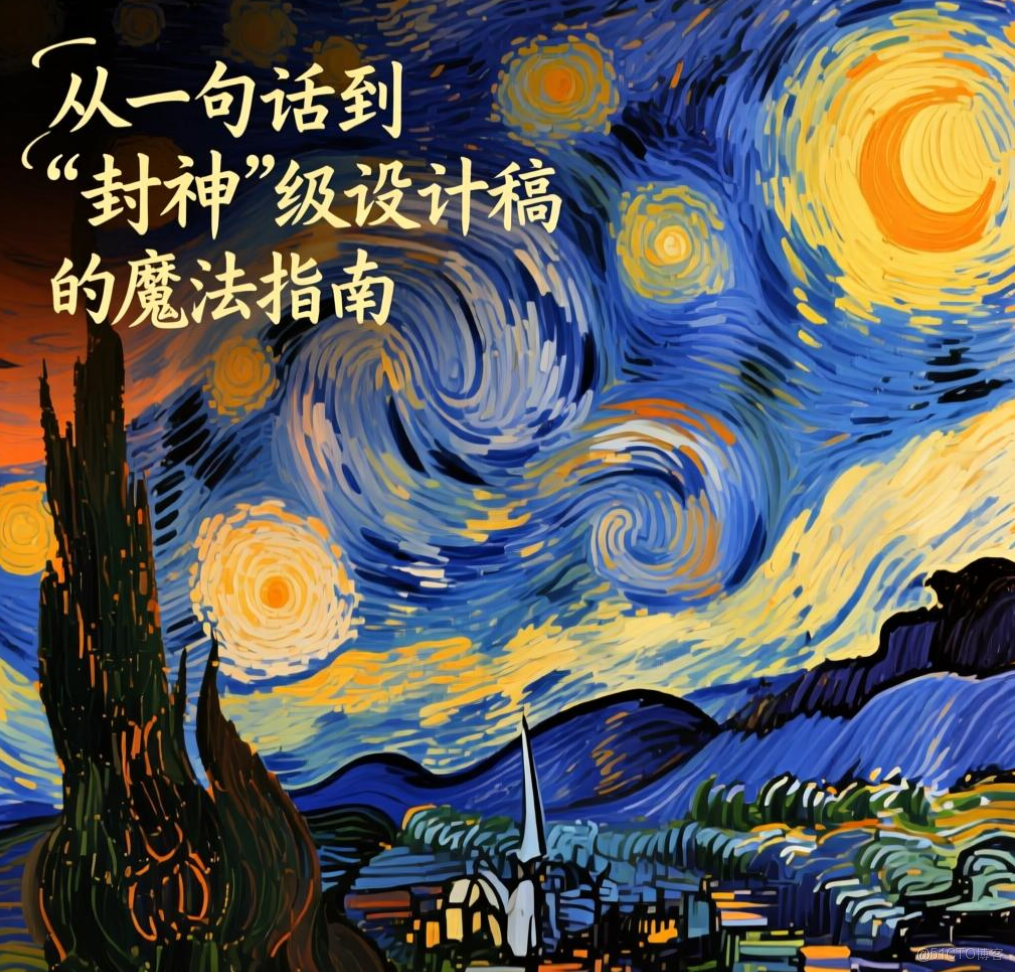
6. 實際應用代碼示例
6.1 完整設計生成示例
產品包裝設計生成系統
class PackagingDesignGenerator:
    """完整包裝設計生成系統"""

    def generate_packaging_system(self, product_info):
        """生成完整包裝系統"""

        # 1. 主要包裝設計
        main_package = self._generate_main_package(product_info)

        # 2. 輔助包裝元素
        supporting_elements = self._generate_supporting_elements(product_info)

        # 3. 應用場景展示
        application_scenes = self._create_application_scenes(
            main_package,
            product_info
        )

        # 4. 設計規範提取
        design_specs = self._extract_design_specifications(
            main_package,
            supporting_elements
        )

        return {
            "product": product_info["name"],
            "main_package": main_package,
            "supporting_elements": supporting_elements,
            "application_scenes": application_scenes,
            "design_specifications": design_specs
        }

    def _generate_main_package(self, product_info):
        """生成主要包裝設計"""

        prompt = f"""
        Premium packaging design for {product_info['name']},
        product category: {product_info['category']},
        target audience: {product_info['target_audience']},
        brand values: {product_info['brand_values']},
        key requirements: {product_info.get('requirements', 'luxury appeal')},

        Design specifics:
        - Material: {product_info.get('material', 'matte card with foil stamping')}
        - Colors: {product_info.get('colors', 'brand colors with metallic accents')}
        - Typography: {product_info.get('typography', 'elegant sans-serif')}
        - Special features: {product_info.get('features', 'magnetic closure, embossing')}

        Show front, back, and side views,
        photorealistic rendering,
        studio lighting on marble suriface,
        unboxing experience visible,

        --ar 3:2 --style raw --v 6.0 --stylize 500
        """

        variations = [
            prompt + " --chaos 15",
            prompt + " focused on sustainable materials",
            prompt + " ultra-minimalist approach",
            prompt + " with innovative structural design"
        ]

        return self.midjourney_api.generate_batch(variations, 1)

    def _create_application_scenes(self, package_design, product_info):
        """創建應用場景"""

        scenes = [
            {
                "name": "retail_shelf",
                "prompt": f"Retail shelf display showing {product_info['name']} packaging, "
                         f"surrounded by competitor products, "
                         f"modern retail environment, strategic placement, "
                         f"focus on shelf impact and visibility"
            },
            {
                "name": "unboxing_experience",
                "prompt": f"Unboxing experience of {product_info['name']}, "
                         f"hands carefully opening the packaging, "
                         f"revealing product and inserts, "
                         f"emotional reaction visible, "
                         f"lifestyle setting"
            },
            {
                "name": "ecommerce_photo",
                "prompt": f"E-commerce product photo of {product_info['name']} packaging, "
                         f"clean white background, professional product photography, "
                         f"multiple angles shown, shadows and reflections perfect"
            }
        ]

        generated_scenes = {}
        for scene in scenes:
            full_prompt = f"{package_design[0]['prompt']}, {scene['prompt']}, --ar 16:9 --v 6.0"
            generated_scenes[scene["name"]] = self.midjourney_api.generate(full_prompt)

        return generated_scenes
6.2 運行示例
# 產品信息配置
product_config = {
    "name": "Aether - Premium Skin Serum",
    "category": "luxury skincare",
    "target_audience": "affluent professionals aged 30-50",
    "brand_values": "purity, science, luxury, sustainability",
    "colors": "white, silver, translucent blue",
    "material": "frosted glass with ceramic dropper",
    "requirements": [
        "look expensive but not ostentatious",
        "communicate scientific credibility",
        "feel sustainable and eco-friendly",
        "stand out in crowded luxury market"
    ]
}

# 運行包裝設計生成
generator = PackagingDesignGenerator()
packaging_system = generator.generate_packaging_system(product_config)

# 輸出結果
print("=" * 60)
print("PACKAGING DESIGN SYSTEM GENERATED")
print("=" * 60)
print(f"Product: {packaging_system['product']}")
print(f"\nMain Package Designs: {len(packaging_system['main_package'])} variations")
print(f"Supporting Elements: {len(packaging_system['supporting_elements'])} items")
print(f"Application Scenes: {len(packaging_system['application_scenes'])} scenarios")
print(f"\nDesign Specifications:")
for spec, value in packaging_system['design_specifications'].items():
    print(f"  - {spec}: {value}")

# 保存結果
import json
with open('packaging_design_output.json', 'w') as f:
    json.dump(packaging_system, f, indent=2)

print("\nResults saved to packaging_design_output.json")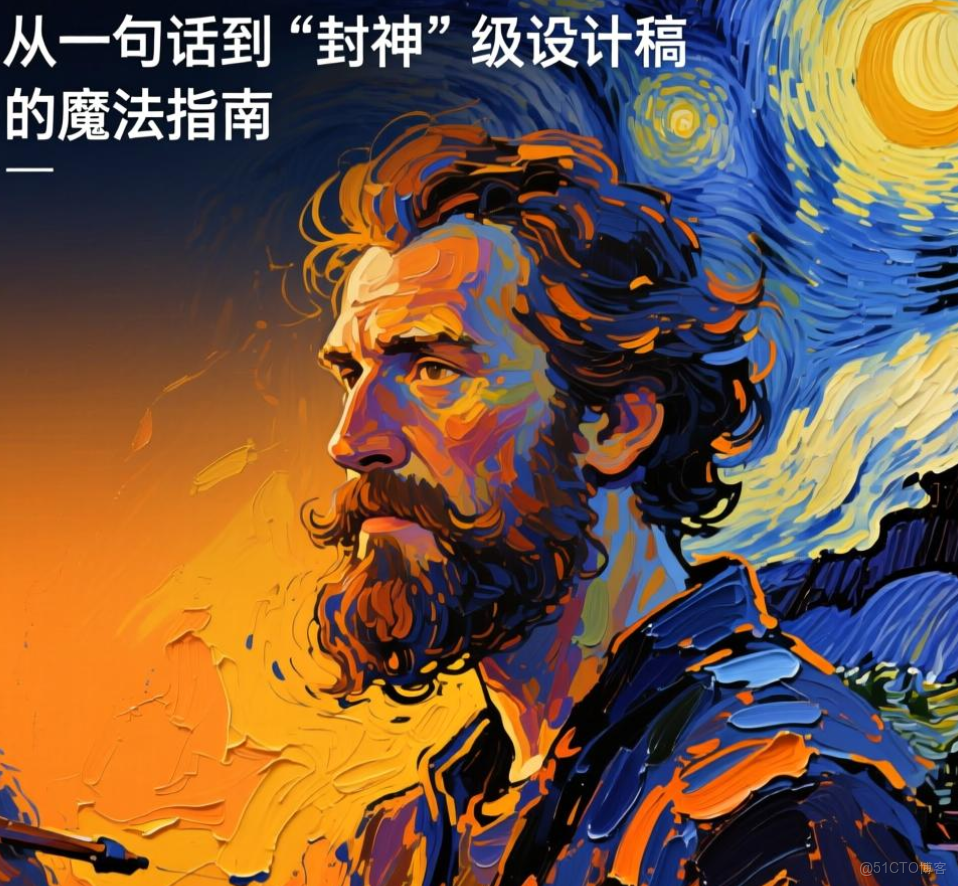
7. 測試步驟與驗證
7.1 系統性測試框架
class MidjourneyV6Tester:
    """Midjourney V6系統性測試框架"""

    def __init__(self):
        self.test_cases = self._load_test_cases()
        self.metrics = {
            "prompt_adherence": self._measure_prompt_adherence,
            "aesthetic_quality": self._assess_aesthetic_quality,
            "technical_accuracy": self._check_technical_accuracy,
            "consistency": self._evaluate_consistency,
            "innovation": self._measure_innovation
        }

    def run_comprehensive_test(self):
        """運行全面測試"""

        results = {}

        for category, test_case in self.test_cases.items():
            print(f"\nTesting: {category}")
            print("-" * 40)

            category_results = []

            for test in test_case["tests"]:
                test_result = self._run_single_test(test)
                category_results.append(test_result)

                print(f"  ✓ {test['name']}: {test_result['score']}/100")

            # 計算類別得分
            avg_score = sum(r["score"] for r in category_results) / len(category_results)
            results[category] = {
                "average_score": avg_score,
                "tests": category_results,
                "strengths": self._identify_strengths(category_results),
                "weaknesses": self._identify_weaknesses(category_results)
            }

        # 生成測試報告
        report = self._generate_test_report(results)

        return {
            "overall_score": self._calculate_overall_score(results),
            "category_results": results,
            "report": report,
            "recommendations": self._generate_recommendations(results)
        }

    def _load_test_cases(self):
        """加載測試用例"""

        return {
            "prompt_understanding": {
                "description": "測試提示詞理解能力",
                "tests": [
                    {
                        "name": "複雜指令理解",
                        "prompt": "一個充滿未來感的城市景觀,同時包含維多利亞時代建築元素和懸浮的霓虹漢字,夜景,下雨,電影感",
                        "expected": ["未來感", "維多利亞建築", "霓虹漢字", "夜景", "下雨", "電影感"],
                        "weight": 1.2
                    },
                    {
                        "name": "抽象概念表現",
                        "prompt": "用視覺表現'數字時代的孤獨'這一概念,超現實主義風格",
                        "expected": ["數字元素", "孤獨感", "超現實主義"],
                        "weight": 1.0
                    }
                ]
            },
            "style_reproduction": {
                "description": "測試風格複製能力",
                "tests": [
                    {
                        "name": "特定藝術家風格",
                        "prompt": "星空下的咖啡館,文森特·梵高風格,厚重的筆觸,生動的色彩",
                        "expected": ["梵高風格", "厚重筆觸", "生動色彩"],
                        "weight": 1.0
                    }
                ]
            },
            "technical_accuracy": {
                "description": "測試技術準確性",
                "tests": [
                    {
                        "name": "透視準確性",
                        "prompt": "兩點透視的室內設計,現代客廳,精確的透視網格可見",
                        "expected": ["兩點透視", "精確透視"],
                        "weight": 0.9
                    }
                ]
            }
        }

    def _run_single_test(self, test_case):
        """運行單個測試"""

        # 生成圖像
        image = self.midjourney_api.generate(test_case["prompt"])

        # 評估各項指標
        scores = {}
        for metric_name, metric_func in self.metrics.items():
            scores[metric_name] = metric_func(image, test_case)

        # 計算總分
        total_score = 0
        for metric, score in scores.items():
            weight = test_case.get("weight", 1.0)
            total_score += score * weight

        return {
            "name": test_case["name"],
            "prompt": test_case["prompt"],
            "image": image,
            "scores": scores,
            "score": total_score / len(scores)  # 平均分
        }
7.2 質量評估系統
class DesignQualityEvaluator:
    """設計質量評估系統"""

    def evaluate_design(self, design_image, design_brief):
        """全面評估設計質量"""

        evaluation = {
            "visual_impact": self._assess_visual_impact(design_image),
            "concept_communication": self._evaluate_concept_communication(
                design_image,
                design_brief
            ),
            "aesthetic_appeal": self._measure_aesthetic_appeal(design_image),
            "technical_execution": self._check_technical_execution(design_image),
            "originality": self._assess_originality(design_image),
            "usability": self._evaluate_usability(design_image, design_brief)
        }

        # 計算總分
        weights = {
            "visual_impact": 0.25,
            "concept_communication": 0.20,
            "aesthetic_appeal": 0.20,
            "technical_execution": 0.15,
            "originality": 0.10,
            "usability": 0.10
        }

        total_score = 0
        for criterion, score in evaluation.items():
            total_score += score * weights[criterion]

        evaluation["total_score"] = total_score
        evaluation["grade"] = self._assign_grade(total_score)

        return evaluation

    def _assess_visual_impact(self, image):
        """評估視覺衝擊力"""
        # 分析色彩對比度
        contrast_score = self._analyze_contrast(image)

        # 分析構圖力量
        composition_score = self._analyze_composition(image)

        # 分析視覺層次
        hierarchy_score = self._analyze_visual_hierarchy(image)

        return (contrast_score + composition_score + hierarchy_score) / 3

    def _evaluate_concept_communication(self, image, brief):
        """評估概念傳達"""

        # 提取圖像中的關鍵元素
        detected_elements = self._extract_visual_elements(image)

        # 提取簡報中的關鍵要求
        brief_requirements = self._parse_brief_requirements(brief)

        # 計算匹配度
        matches = 0
        for requirement in brief_requirements:
            if self._check_element_match(requirement, detected_elements):
                matches += 1

        return matches / len(brief_requirements) * 100

    def _assign_grade(self, score):
        """分配等級"""
        if score >= 90:
            return "A+ (封神級)"
        elif score >= 80:
            return "A (優秀)"
        elif score >= 70:
            return "B (良好)"
        elif score >= 60:
            return "C (合格)"
        else:
            return "D (需改進)"
8. 部署場景與集成
8.1 企業級集成方案
class EnterpriseMidjourneyIntegration:
    """企業級Midjourney集成系統"""

    def __init__(self, company_config):
        self.config = company_config
        self.setup_enterprise_environment()

    def setup_enterprise_environment(self):
        """設置企業環境"""

        # 品牌指南集成
        self.brand_guide = self._load_brand_guidelines()

        # 合規性檢查
        self.compliance_checker = ComplianceChecker(
            self.config["compliance_rules"]
        )

        # 工作流集成
        self.workflow_integrator = WorkflowIntegrator(
            self.config["existing_systems"]
        )

        # 團隊協作設置
        self.collaboration_system = CollaborationSystem(
            self.config["team_structure"]
        )

    def generate_design_with_governance(self, design_request):
        """帶治理的設計生成"""

        # 1. 請求驗證
        validated = self._validate_request(design_request)
        if not validated["approved"]:
            return {"error": validated["reason"]}

        # 2. 應用品牌指南
        brand_guided_prompt = self._apply_brand_guidelines(
            design_request["prompt"]
        )

        # 3. 預檢查合規性
        compliance_check = self.compliance_checker.pre_check(
            brand_guided_prompt
        )

        # 4. 生成設計
        designs = self.midjourney_api.generate_batch(
            brand_guided_prompt,
            design_request.get("variations", 3)
        )

        # 5. 後處理與優化
        processed_designs = []
        for design in designs:
            # 品牌一致性調整
            brand_aligned = self._align_with_brand(design)

            # 合規性最終檢查
            if self.compliance_checker.final_check(brand_aligned):
                processed_designs.append(brand_aligned)

        # 6. 集成到工作流
        workflow_result = self.workflow_integrator.integrate_designs(
            processed_designs,
            design_request
        )

        # 7. 團隊協作通知
        self.collaboration_system.notify_team(
            design_request,
            processed_designs
        )

        return {
            "status": "success",
            "designs_generated": len(processed_designs),
            "workflow_integrated": workflow_result["success"],
            "next_steps": self._suggest_next_steps(processed_designs),
            "compliance_report": compliance_check["report"]
        }

    def batch_design_production(self, campaign_brief):
        """批量設計生產"""

        campaign_designs = {}

        # 為每個渠道生成設計
        for channel in campaign_brief["channels"]:
            channel_designs = []

            # 生成多個版本
            for i in range(campaign_brief.get("versions_per_channel", 3)):
                prompt = self._create_channel_specific_prompt(
                    campaign_brief,
                    channel,
                    i
                )

                design = self.generate_design_with_governance({
                    "prompt": prompt,
                    "purpose": f"{channel}_advertisement",
                    "campaign": campaign_brief["name"]
                })

                if design["status"] == "success":
                    channel_designs.extend(design["designs"])

            campaign_designs[channel] = {
                "designs": channel_designs,
                "selected": self._select_best_for_channel(channel_designs, channel),
                "guidelines": self._generate_channel_guidelines(channel, channel_designs)
            }

        # 生成跨渠道一致性報告
        consistency_report = self._analyze_cross_channel_consistency(campaign_designs)

        return {
            "campaign": campaign_brief["name"],
            "channel_designs": campaign_designs,
            "consistency_score": consistency_report["score"],
            "brand_unity": consistency_report["brand_unity"],
            "production_summary": self._generate_production_summary(campaign_designs)
        }
8.2 API集成示例
class MidjourneyEnterpriseAPI:
    """企業級Midjourney API客户端"""

    def __init__(self, api_key, enterprise_config):
        self.api_key = api_key
        self.config = enterprise_config
        self.setup_client()

    def setup_client(self):
        """設置API客户端"""

        # 配置請求頭
        self.headers = {
            "Authorization": f"Bearer {self.api_key}",
            "Content-Type": "application/json",
            "X-Enterprise-ID": self.config["enterprise_id"],
            "X-Request-Source": "enterprise-integration"
        }

        # 設置端點
        self.endpoints = {
            "generate": "https://api.midjourney/enterprise/v6/generate",
            "batch": "https://api.midjourney/enterprise/v6/batch",
            "analyze": "https://api.midjourney/enterprise/v6/analyze",
            "workflow": "https://api.midjourney/enterprise/v6/workflow"
        }

        # 設置重試策略
        self.retry_strategy = {
            "max_retries": 3,
            "backoff_factor": 0.5,
            "status_forcelist": [500, 502, 503, 504]
        }

    def generate_with_enterprise_features(self, prompt, options=None):
        """使用企業特性生成設計"""

        if options is None:
            options = {}

        # 構建企業級請求
        enterprise_request = {
            "prompt": prompt,
            "parameters": {
                "aspect_ratio": options.get("aspect_ratio", "1:1"),
                "stylize": options.get("stylize", self.config["default_stylize"]),
                "chaos": options.get("chaos", 10),
                "quality": options.get("quality", "high"),
                "version": "6.0",
                "style": options.get("style", "raw")
            },
            "enterprise_features": {
                "brand_guidelines": self.config["brand_guidelines"],
                "compliance_check": True,
                "quality_assurance": True,
                "format": options.get("format", self.config["preferred_format"]),
                "metadata": {
                    "project_id": options.get("project_id"),
                    "user_id": options.get("user_id"),
                    "department": options.get("department")
                }
            }
        }

        # 發送請求
        response = self._send_request(
            "POST",
            self.endpoints["generate"],
            json=enterprise_request
        )

        # 處理響應
        if response.status_code == 200:
            result = response.json()
            return self._process_enterprise_response(result)
        else:
            raise Exception(f"API request failed: {response.status_code}")

    def create_design_workflow(self, workflow_config):
        """創建設計工作流"""

        workflow_steps = []

        # 定義工作流步驟
        for step in workflow_config["steps"]:
            workflow_step = {
                "step_name": step["name"],
                "action": step["action"],
                "parameters": step.get("parameters", {}),
                "conditions": step.get("conditions", []),
                "dependencies": step.get("dependencies", []),
                "output_format": step.get("output_format", "image")
            }

            # 添加企業特定配置
            if step.get("enterprise_override"):
                workflow_step.update(step["enterprise_override"])

            workflow_steps.append(workflow_step)

        # 創建工作流
        workflow_request = {
            "workflow_name": workflow_config["name"],
            "description": workflow_config.get("description", ""),
            "steps": workflow_steps,
            "triggers": workflow_config.get("triggers", []),
            "notifications": workflow_config.get("notifications", []),
            "enterprise_config": {
                "approval_required": workflow_config.get("approval_required", False),
                "compliance_check": True,
                "version_control": True,
                "collaboration": workflow_config.get("collaboration", True)
            }
        }

        response = self._send_request(
            "POST",
            self.endpoints["workflow"],
            json=workflow_request
        )

        return response.json()
9. 疑難解答與優化
9.1 常見問題解決
class MidjourneyV6Troubleshooter:
    """Midjourney V6疑難解答專家系統"""

    def __init__(self):
        self.solutions_database = self._load_solutions_database()

    def diagnose_and_fix(self, problem_description, generated_image=None):
        """診斷並修復問題"""

        # 分析問題
        analysis = self._analyze_problem(problem_description, generated_image)

        # 查找解決方案
        solutions = self._find_solutions(analysis)

        # 生成修復計劃
        fix_plan = self._create_fix_plan(solutions, analysis)

        # 提供優化建議
        optimizations = self._suggest_optimizations(analysis)

        return {
            "problem_analysis": analysis,
            "solutions": solutions,
            "fix_plan": fix_plan,
            "optimizations": optimizations,
            "preventive_measures": self._suggest_preventive_measures(analysis)
        }

    def _load_solutions_database(self):
        """加載解決方案數據庫"""

        return {
            "blurry_images": {
                "causes": [
                    "insufficient detail in prompt",
                    "low quality parameter",
                    "incorrect aspect ratio"
                ],
                "solutions": [
                    "Add detail descriptors like '8K', 'sharp focus', 'detailed'",
                    "Increase quality parameter: --quality 2",
                    "Use appropriate aspect ratio for the subject",
                    "Add 'professional photography' to prompt"
                ]
            },
            "poor_composition": {
                "causes": [
                    "vague composition instructions",
                    "conflicting visual elements",
                    "improper aspect ratio"
                ],
                "solutions": [
                    "Specify composition: 'rule of thirds', 'symmetrical', 'leading lines'",
                    "Simplify the prompt - focus on 2-3 key elements",
                    "Use --ar parameter appropriate for the subject",
                    "Add 'well-composed' or 'balanced composition' to prompt"
                ]
            },
            "style_inconsistency": {
                "causes": [
                    "too many style descriptors",
                    "conflicting style elements",
                    "insufficient style weight"
                ],
                "solutions": [
                    "Limit to 2 complementary styles maximum",
                    "Use style blending: '70% art deco, 30% cyberpunk'",
                    "Increase stylize parameter: --stylize 750",
                    "Add artist references for consistent style"
                ]
            },
            "text_rendering_issues": {
                "causes": [
                    "complex text in prompt",
                    "insufficient text rendering capability",
                    "wrong aspect ratio for text"
                ],
                "solutions": [
                    "Simplify text to 2-3 words maximum",
                    "Use --style raw for better text",
                    "Specify 'legible text' or 'clear typography'",
                    "Consider adding text in post-processing instead"
                ]
            }
        }

    def optimize_prompt(self, original_prompt, target_quality="professional"):
        """優化提示詞"""

        optimization_strategies = {
            "professional": {
                "add": [
                    "professional photography",
                    "studio lighting",
                    "8K resolution",
                    "award-winning design",
                    "editorial quality"
                ],
                "remove": [
                    "simple", "basic", "ordinary"
                ],
                "adjust_parameters": {
                    "quality": 2,
                    "stylize": 750,
                    "chaos": 15
                }
            },
            "artistic": {
                "add": [
                    "masterpiece",
                    "gallery quality",
                    "artistic composition",
                    "emotional impact",
                    "unique style"
                ],
                "remove": [
                    "photorealistic", "technical", "precise"
                ],
                "adjust_parameters": {
                    "stylize": 1000,
                    "style": "4b",
                    "weird": 50
                }
            },
            "commercial": {
                "add": [
                    "commercial photography",
                    "product showcase",
                    "marketing material",
                    "brand consistent",
                    "high conversion"
                ],
                "remove": [
                    "abstract", "experimental", "unconventional"
                ],
                "adjust_parameters": {
                    "style": "raw",
                    "quality": 1.5,
                    "chaos": 5
                }
            }
        }

        strategy = optimization_strategies.get(target_quality, optimization_strategies["professional"])

        # 應用優化
        optimized_prompt = original_prompt

        # 添加質量詞彙
        for add_word in strategy["add"]:
            if add_word not in optimized_prompt.lower():
                optimized_prompt += f", {add_word}"

        # 移除降低質量的詞彙
        for remove_word in strategy["remove"]:
            optimized_prompt = optimized_prompt.replace(remove_word, "")

        # 添加參數
        params = []
        for param, value in strategy["adjust_parameters"].items():
            params.append(f"--{param} {value}")

        optimized_prompt += " " + " ".join(params)

        return {
            "original": original_prompt,
            "optimized": optimized_prompt,
            "changes_made": len(strategy["add"]) + len(strategy["adjust_parameters"]),
            "expected_improvement": self._estimate_improvement(original_prompt, optimized_prompt)
        }
9.2 性能優化
class MidjourneyPerformanceOptimizer:
    """Midjourney性能優化系統"""

    def __init__(self, api_client):
        self.api = api_client
        self.performance_log = []

    def optimize_generation_process(self, prompt, iterations=5):
        """優化生成過程"""

        best_result = None
        best_score = 0

        for i in range(iterations):
            # 調整參數
            adjusted_prompt = self._adjust_parameters(prompt, i)

            # 生成並計時
            start_time = time.time()
            result = self.api.generate(adjusted_prompt)
            elapsed = time.time() - start_time

            # 評估結果
            quality_score = self._evaluate_result_quality(result)

            # 計算綜合得分
            # 質量權重70%,速度權重30%
            speed_score = max(0, 1 - elapsed/60)  # 假設60秒為上限
            total_score = 0.7 * quality_score + 0.3 * speed_score

            # 記錄日誌
            self.performance_log.append({
                "iteration": i,
                "prompt": adjusted_prompt,
                "time": elapsed,
                "quality": quality_score,
                "total_score": total_score
            })

            # 更新最佳結果
            if total_score > best_score:
                best_score = total_score
                best_result = {
                    "prompt": adjusted_prompt,
                    "result": result,
                    "score": total_score,
                    "time": elapsed
                }

        # 生成優化報告
        report = self._generate_optimization_report()

        return {
            "best_result": best_result,
            "all_iterations": self.performance_log,
            "optimization_report": report,
            "recommended_parameters": self._extract_best_parameters()
        }

    def _adjust_parameters(self, base_prompt, iteration):
        """調整生成參數"""

        parameter_variations = [
            # 不同的質量設置
            lambda p: f"{p} --quality 0.5 --fast",  # 快速測試
            lambda p: f"{p} --quality 1 --stylize 250",  # 平衡模式
            lambda p: f"{p} --quality 1.5 --stylize 500",  # 高質量
            lambda p: f"{p} --quality 2 --stylize 750",  # 最高質量
            lambda p: f"{p} --quality 2 --stylize 1000 --style 4b"  # 藝術模式
        ]

        # 添加混沌度變化
        chaos_levels = [0, 10, 25, 50, 100]

        variation = iteration % len(parameter_variations)
        chaos = chaos_levels[iteration % len(chaos_levels)]

        adjusted = parameter_variations[variation](base_prompt)
        adjusted = adjusted.replace("--chaos", "") + f" --chaos {chaos}"

        return adjusted
10. 未來展望與趨勢
10.1 技術發展趨勢
2024-2025年預測:
class MidjourneyFuturePredictor:
    """Midjourney未來發展趨勢預測"""

    def predict_next_breakthroughs(self, current_capabilities):
        """預測下一個技術突破"""

        predictions = {
            "short_term_6-12_months": [
                {
                    "area": "3D Generation",
                    "description": "從2D圖像直接生成3D模型,支持AR/VR應用",
                    "impact": "徹底改變產品設計和遊戲開發流程",
                    "probability": 0.85
                },
                {
                    "area": "Video Generation",
                    "description": "從文本提示生成短視頻序列,保持風格一致性",
                    "impact": "短視頻內容創作自動化革命",
                    "probability": 0.75
                },
                {
                    "area": "Interactive Editing",
                    "description": "實時修改生成圖像,保持整體一致性",
                    "impact": "設計師可以像Photoshop一樣實時編輯AI生成內容",
                    "probability": 0.80
                }
            ],
            "medium_term_1-2_years": [
                {
                    "area": "Multi-modal Understanding",
                    "description": "同時理解文本、語音、草圖輸入,生成協調輸出",
                    "impact": "更自然的設計創意表達方式",
                    "probability": 0.70
                },
                {
                    "area": "Style Learning",
                    "description": "從少量樣本學習新風格,實現個性化風格創造",
                    "impact": "每個人都可以有自己的AI設計風格",
                    "probability": 0.65
                },
                {
                    "area": "Real-time Collaboration",
                    "description": "多個AI同時協作生成複雜設計項目",
                    "impact": "大型設計項目可以完全由AI系統管理",
                    "probability": 0.60
                }
            ],
            "long_term_2+_years": [
                {
                    "area": "Full Design Automation",
                    "description": "從概念到生產文件的完整設計流程自動化",
                    "impact": "設計行業工作方式根本性變革",
                    "probability": 0.50
                },
                {
                    "area": "Emotional Design",
                    "description": "理解並表達特定情感的設計作品",
                    "impact": "基於心理學原理的情感化設計成為可能",
                    "probability": 0.45
                },
                {
                    "area": "Cross-domain Innovation",
                    "description": "在不同設計領域間創造全新融合風格",
                    "impact": "催生全新的設計學派和美學理論",
                    "probability": 0.40
                }
            ]
        }

        return predictions

    def prepare_for_future(self, current_workflow):
        """為未來技術做準備"""

        recommendations = []

        # 技能發展建議
        skill_recommendations = [
            "學習提示詞工程的高級技巧",
            "掌握AI設計工作流的構建",
            "瞭解3D建模基礎知識",
            "學習設計心理學原理",
            "掌握多模態內容創作"
        ]

        # 工具鏈準備
        tool_preparations = [
            "建立AI生成資產管理系統",
            "實施版本控制和協作流程",
            "準備3D和AR/VR工作流集成",
            "建立質量評估和優化系統",
            "實施倫理和合規檢查流程"
        ]

        # 組織變革建議
        organizational_changes = [
            "建立AI設計專家團隊",
            "重新定義設計師角色(從執行到指導AI)",
            "建立持續學習和實驗文化",
            "制定AI設計倫理準則",
            "建立跨學科創新團隊"
        ]

        return {
            "skill_development": skill_recommendations,
            "tool_preparation": tool_preparations,
            "organizational_changes": organizational_changes,
            "timeline": self._create_adoption_timeline(),
            "risk_mitigation": self._identify_risks_and_mitigations()
        }
10.2 行業影響分析
class IndustryImpactAnalyzer:
    """AI設計對行業影響分析"""

    def analyze_industry_impact(self, industry_sector):
        """分析對特定行業的影響"""

        impact_analysis = {
            "advertising_marketing": {
                "positive_impacts": [
                    "創意生產速度提高10-100倍",
                    "個性化廣告內容成本大幅降低",
                    "A/B測試可以在生成階段完成",
                    "跨平台內容一致性更容易實現"
                ],
                "challenges": [
                    "創意同質化風險增加",
                    "版權和原創性問題",
                    "人類創意角色需要重新定義",
                    "質量控制變得更重要"
                ],
                "adaptation_strategies": [
                    "從內容生產轉向策略和情感連接",
                    "發展AI提示詞工程專業能力",
                    "建立品牌專屬的AI訓練數據",
                    "創建混合人機協作流程"
                ]
            },
            "product_design": {
                "positive_impacts": [
                    "概念發展階段大幅縮短",
                    "設計迭代成本幾乎為零",
                    "可以探索更多創新方案",
                    "用户測試可以在設計階段進行"
                ],
                "challenges": [
                    "工程可行性需要額外驗證",
                    "材料和生產限制需要考慮",
                    "設計專利和知識產權問題",
                    "需要保持設計的一致性和品牌性"
                ],
                "adaptation_strategies": [
                    "聚焦於用户體驗和人體工程學",
                    "發展從概念到生產的整合能力",
                    "建立設計約束的AI指導系統",
                    "加強跨學科協作能力"
                ]
            },
            "architecture_interior": {
                "positive_impacts": [
                    "快速可視化設計概念",
                    "客户參與度提高",
                    "可以探索更多設計變體",
                    "環境影響分析可以早期進行"
                ],
                "challenges": [
                    "結構安全需要專業驗證",
                    "建築法規和規範需要遵守",
                    "材料性能和成本需要考慮",
                    "需要保持設計的實用性和功能性"
                ],
                "adaptation_strategies": [
                    "加強技術知識和法規理解",
                    "發展從概念到施工圖的整合能力",
                    "建立基於約束的AI設計系統",
                    "聚焦於空間體驗和功能性"
                ]
            }
        }

        sector_analysis = impact_analysis.get(industry_sector, {})

        # 生成適應路線圖
        roadmap = self._create_adaptation_roadmap(sector_analysis)

        return {
            "sector": industry_sector,
            "impact_analysis": sector_analysis,
            "adaptation_roadmap": roadmap,
            "timeline": self._estimate_adaptation_timeline(sector_analysis),
            "success_metrics": self._define_success_metrics(sector_analysis)
        }
11. 總結與行動指南
11.1 核心要點總結
Midjourney V6一句話生成"封神"級設計稿的七大法則:
- 精準概念表達:使用具體、生動的描述,避免模糊詞彙
- 結構化提示詞:按照"主體+風格+環境+質量+參數"的結構組織
- 風格精確控制:使用具體的藝術流派、藝術家或時期參考
- 質量明確要求:包含分辨率、光線、細節程度等質量指示
- 技術參數優化:合理使用--ar、--style、--chaos等參數
- 迭代優化流程:基於初步結果進行針對性調整和優化
- 工作流集成:將AI生成納入完整的設計工作流程
11.2 立即行動指南
class ImmediateActionPlanner:
    """立即行動計劃制定系統"""

    def create_90_day_plan(self, current_skill_level="beginner"):
        """創建90天Midjourney V6精通計劃"""

        plans = {
            "beginner": {
                "week_1_2": {
                    "focus": "基礎掌握",
                    "actions": [
                        "學習基本提示詞結構",
                        "嘗試不同風格關鍵詞",
                        "理解基本參數(--ar, --v, --style)",
                        "生成100張基礎練習圖"
                    ],
                    "milestone": "能穩定生成符合基本要求的圖像"
                },
                "week_3_4": {
                    "focus": "技能提升",
                    "actions": [
                        "學習高級提示詞技巧",
                        "掌握風格混合方法",
                        "理解質量控制參數",
                        "建立個人提示詞庫"
                    ],
                    "milestone": "能生成特定風格的優質圖像"
                },
                "month_2": {
                    "focus": "專業應用",
                    "actions": [
                        "針對特定領域深度練習",
                        "學習工作流集成",
                        "掌握批量生成技巧",
                        "建立質量評估系統"
                    ],
                    "milestone": "能將AI生成應用於實際項目"
                },
                "month_3": {
                    "focus": "大師精通",
                    "actions": [
                        "開發創新提示詞技巧",
                        "建立完整設計工作流",
                        "探索前沿應用場景",
                        "建立知識分享體系"
                    ],
                    "milestone": "成為團隊或社區的AI設計專家"
                }
            }
        }

        plan = plans.get(current_skill_level, plans["beginner"])

        # 添加資源推薦
        resources = {
            "learning": [
                "Midjourney官方文檔",
                "Prompt工程高級指南",
                "設計原則基礎課程",
                "藝術史概覽"
            ],
            "tools": [
                "提示詞優化工具",
                "圖像分析軟件",
                "設計系統模板",
                "協作平台"
            ],
            "community": [
                "Midjourney Discord社區",
                "設計AI專業論壇",
                "本地創意科技聚會",
                "在線學習小組"
            ]
        }

        return {
            "90_day_plan": plan,
            "recommended_resources": resources,
            "success_metrics": self._define_success_metrics(),
            "checkpoints": self._create_checkpoint_schedule()
        }

    def _define_success_metrics(self):
        """定義成功度量標準"""

        return {
            "technical_proficiency": [
                "能使用50+專業提示詞技巧",
                "掌握所有V6參數和功能",
                "生成圖像符合預期90%+時間"
            ],
            "creative_application": [
                "能生成3種以上專業領域的優質設計",
                "建立了個人創意風格庫",
                "能將AI生成與傳統工作流結合"
            ],
            "business_impact": [
                "設計效率提升50%+",
                "項目成本降低30%+",
                "創意產出多樣性增加100%+"
            ]
        }
11.3 最終建議與展望
給設計師的最終建議:
- 擁抱變化,但不失去本質:AI是工具,不是替代品。人類設計師的創意直覺、情感理解和文化洞察仍是不可替代的核心價值。
- 成為AI的導演,而不是操作員:未來最成功的設計師將是那些能指導AI、設定創意方向、做出關鍵審美判斷的"創意導演"。
- 發展跨學科能力:AI設計時代需要設計師同時理解技術、商業、心理學和藝術。
- 建立個人知識體系:在AI生成的內容海洋中,獨特的個人視角和專業知識將成為最寶貴的資產。
- 關注倫理與社會影響:積極參與關於AI設計倫理、版權、多樣性和社會影響的討論。
未來已來,但人類的創意靈魂永遠閃耀。Midjourney V6等技術為我們提供了前所未有的創意表達工具,但真正的"封神"之作,始終源自人類對美的追求、對問題的洞察和對情感的深刻理解。掌握這些工具,但不忘初心,方能在AI設計時代創造真正打動人心的作品。
"AI不會取代設計師,但會使用AI的設計師將取代不會使用AI的設計師。" 立即開始你的Midjourney V6精通之旅,將這一強大工具轉化為你的創意超能力,在即將到來的AI設計革命中佔據先機。
